




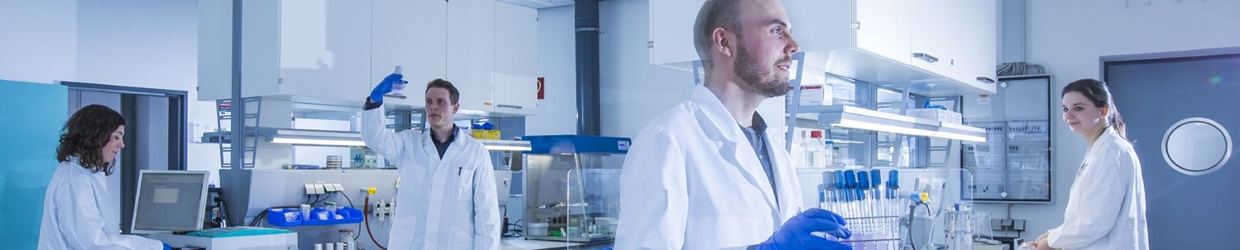
Institut für Systembiotechnologie

Welcome at the Institute of Systems Biotechnology

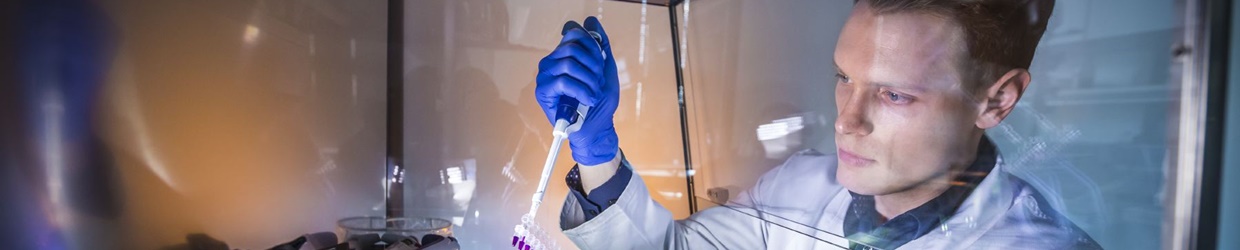
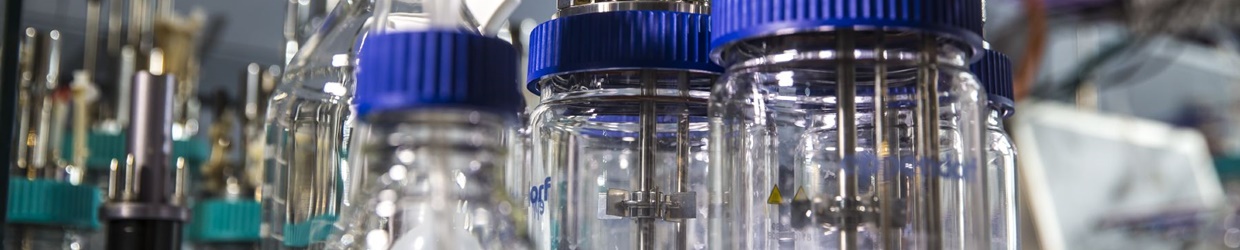
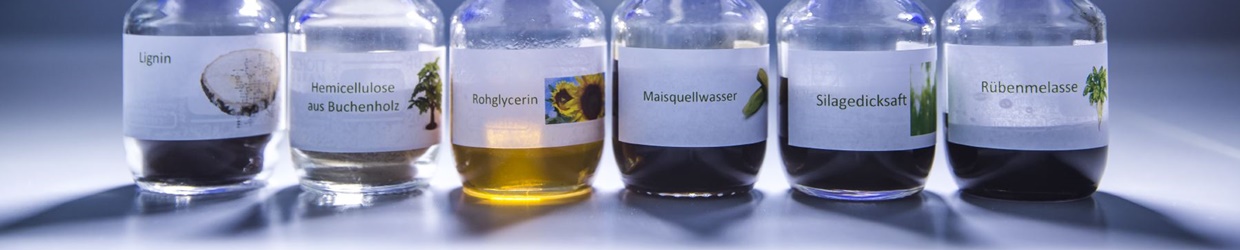
Biotechnology has the potential to revolutionize industrial production - the team headed by Prof. Christoph Wittmann works in the heart of this exciting development. We design and develop cell factories to tailor the synthesis of valuable products - high-end healthcare ingredients, large volume platform chemicals, and smart bio-materials. For this we optimize metabolic pathways and their control in microorganisms and equip them even with new abilities – our leading approaches of systems metabolic engineering and synthetic biology make this possible. Furthermore, we use our "synthetic bugs" to develop innovative, environmentally friendly value chains. The synthesis of the future uses renewable raw materials - we too.

Latest Publications

  • Christmann J, Cao P, Kohlstedt M, Goldbeck O, Riedel CU, Becker J, Wittmann C (2026)

    High-copy plasmid engineering enhances recombinant protein and antimicrobial peptide production in Corynebacterium glutamicum.

    Microb. Cell Fact. In press.

  • Muhovic B, Bartolome MP, Enrico LLT, Dupont L, Jonas AM, Glinel K, del Campo A, Wittmann C (2026)

    Engineering Corynebacterium glutamicum as a multifunctional biofactory for living therapeutic materials and controlled ectoine delivery.

    Biomat. Adv. In press.

  • Mees DJ, Cao P, Ternes MV, Thönes A, Kohlstedt M, Wittmann C (2026)

    Substrate-informed metabolic engineering of Corynebacterium glutamicum enables balanced glucose–xylose co-utilization for the valorization of lignocellulosic feedstocks.

    Metab. Eng. 95:111-130.

iSBio News

From straw to plastic: Pulp by-product becomes feedstock for nylon and Perlon
Plastic from straw: that is the essence of a project that Christoph Wittmann's Systems Biotechnology team at Saarland University has been pursuing since early February in collaboration with partners...

mehr

From gold to violet: University and industry team up to develop new bio-based pigments

Industrial dyes and pigments significantly impact the environment and their production often requires a lot of power and resources. A research team of scientists and industry partners has set out to...

mehr

Reimagining waste as a resource: Scientists in Saarland transform polystyrene into nylon...

It might sound like science fiction, but it’s already a reality. Bacteria are now capable of breaking down environmentally harmful substances like polystyrene and turning them into the...

mehr

Alle Artikel in der Übersicht