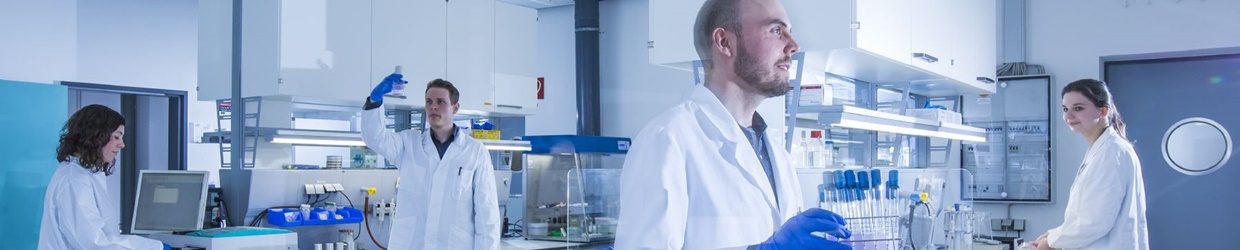
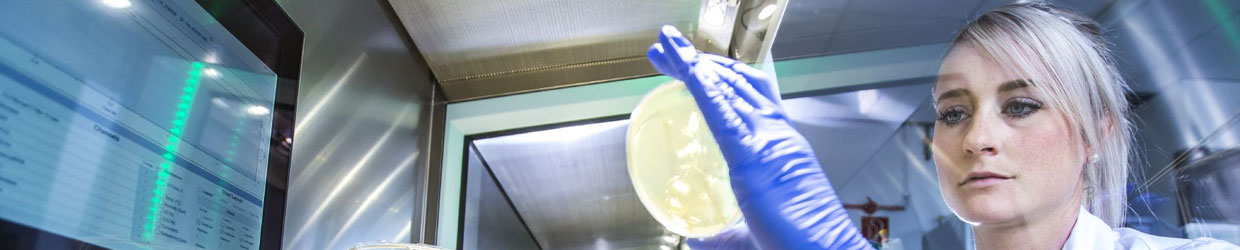
The Institute of Systems Biotechnology (Saarland University) is dedicated to explore and design microbial metabolism on a quantitative systems level. In national and international collaborations our team of biologists, bioengineers, molecular and computer scientists approaches fundamental and applied research questions on the design of tailor-made cell factories, the development of sustainable bioprocesses from renewables and the metabolism of infectious bacteria. Our research focusses on three key areas:
Systems Metabolic Engineering for Industrial Bioproduction
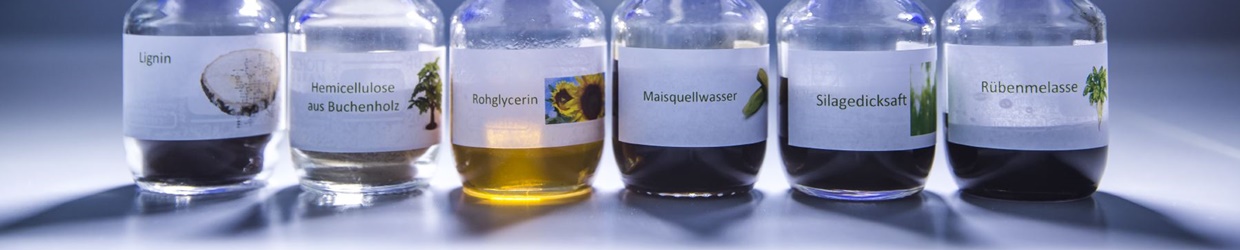
 We have a long-lasting expertise to use natural raw materials for the production of food ingredients and green chemicals. Today, we design and create cell factories for bio-production using systems metabolic engineering. Integrating systems biology and biotechnology with new concepts from synthetic biology, systems metabolic engineering enables the global analysis and engineering of microorganisms and bioprocesses at super efficiency and versatility, otherwise not accessible. more
Industrial Systems Biology - Understanding Biological Systems
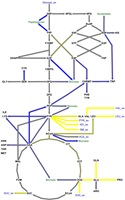 We use experimental and computational approaches to understand biological systems in a holistic way. In different projects, we investigate bacteria, yeasts, fungi and even whole plants on the systems level using our technology platforms. The technological specialty of our group is 13C metabolic flux analysis, computer-based simulations of metabolic pathway and pathway networks. more
Pharmaceutical and Medical Systems Biology
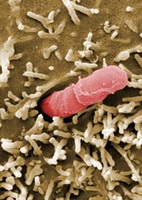 Microbial pathogens are a threat for human health and we face increasing therapeutic problems due to the emergence of multidrug resistant strains. Obviously, these bacteria have evolved a complex, fine-tuned machinery to resist against host defense mechanisms and therapeutic treatments. Here, we take a systems view to understand the life style and the resistance mediating mechanisms of pathogenic bacteria. more